Qelby Skin
The team at JD Life Science Company have a long experience developing skin care products based on Somatid technology.
Since 2026, they have bundled their extensive knowledge about the treatment of all kinds of skin conditions, bed sores, etc into the Qelby Hesperidin Patch : a new easy to use product for the general consumer market.
How does the QELBY Hesperdin Patch work?
The QELBY® Hesperidin Patch is a non-invasive, drug-free wellness patch developed in South Korea by JD Life Sciences (JDLS). Its technology is based on an unusual idea: rather than delivering an active substance through the skin, the patch is designed to interact physically with the skin and, in particular, with the environment surrounding the eccrine sweat glands. Eccrine sweat glands are distributed across most of the human body. Their ducts extend from coiled glands situated in the dermis to openings at the surface of the skin. They are best known for their essential role in sweating and thermoregulation. QELBY proposes that this extensive skin interface can also provide a pathway through which the physical properties of its mineral technology interact with the local tissue environment.
The QELBY® bioactive interface
At the heart of the
patch is QELBY® Quantum Powder, incorporated into the adhesive matrix at approximately
30%.
According to JDLS,
this mineral-based material exhibits several measurable physical
characteristics, including electrical activity described as approximately 0.8
V and 0.17 mA, as well as optical/infrared emission with a reported peak
around 750 nm.
The proposed QELBY
mechanism brings together three phenomena:
- Surface electrical
activity
The patch is designed to establish a very low-level electrical interaction at the skin interface. Because biological tissues naturally depend upon electrical gradients and ionic movement, JDLS proposes that this microcurrent environment interacts with local physiological processes. - Light and infrared
interaction
QELBY Powder is also reported to exhibit activity across portions of the electromagnetic spectrum, with particular emphasis on a near-infrared peak around 750 nm. Near-infrared and red-light wavelengths are an active area of scientific research because of their interactions with biological tissue. - Hydration and
charge
The patch maintains prolonged contact with the skin in a hydrated environment. JDLS proposes that the combination of mineral surfaces, electrical charge and water influences the organisation and dynamics of water at this interface, forming H3O2- or structured water.
Why focus on the eccrine sweat glands?
This is the most distinctive part of the QELBY hypothesis.
Eccrine glands are closely associated with the surrounding microvasculature and are controlled by the nervous system. JDLS therefore considers the eccrine sweat-gland system not simply as a mechanism for producing sweat, but as an important interface between the skin surface and the local vascular, neural and fluid environment.
According to the QELBY model, the physical signals produced at the patch interface support the local environment surrounding the eccrine ducts and associated capillary microcirculation.
JDLS further proposes that improving this local environment may support fluid movement and the body's normal processes of exchange and elimination of toxins and waste products.
What happens underneath the patch?
The human body is constantly exchanging materials.
Cells require oxygen, nutrients and water while simultaneously producing metabolic by-products. Blood, extracellular fluid and the lymphatic system participate in this continuous transport network, while the liver, kidneys, gastrointestinal tract, lungs and skin all play different roles in processing or eliminating substances.
Sweating contributes to the elimination of water, electrolytes and small quantities of various metabolic compounds. QELBY's research suggests a considerably broader role for the eccrine system in these processes.
In particular, JDLS hypothesises that impaired function around eccrine ducts and their associated microcirculation may interfere with normal local fluid exchange, and that the QELBY interface can help restore more favourable conditions.
This remains a QELBY-specific physiological model and differs from the established medical understanding that the liver and kidneys are the body's principal organs for processing and eliminating many metabolic waste products.
A very interesting hypothesis worth studying, certainly when considering the results obtained in JDLS's own health center.
Why does the patch sometimes change appearance?
During several days of wear, the patch remains in continuous contact with a biologically active surface.
Sweat, water, electrolytes, sebum, temperature and movement can therefore alter the appearance and consistency of its hydrogel and adhesive matrix.
QELBY associates these changes with the interaction occurring between its material and the eccrine environment. A visible change in the patch can therefore accompany use, although its appearance alone should not be interpreted as a quantitative measure of “toxins” removed from the body.
Hesperidin,
narirutin and 6-gingerol
The mineral technology
is complemented by naturally derived bioactive compounds.
Hesperidin and
narirutin are citrus
bioflavonoids studied for their antioxidant properties and their relationship
with vascular physiology and microcirculation.
6-Gingerol, a characteristic bioactive constituent of
ginger, has been investigated for antioxidant and inflammatory-response
pathways, among other biological effects.
Within the QELBY® Hesperidin
Patch, these ingredients form part of the overall material formulation rather
than functioning as pharmaceutical drugs delivered at a therapeutic dose.
A physical interface rather than a pharmaceutical delivery system
This distinction is fundamental.
The QELBY® Hesperidin Patch is not designed like a conventional transdermal patch that transports a pharmaceutical molecule through the skin.
Its proposed action is based instead on the physical interaction between its mineral matrix, electrical properties, hydration, electromagnetic emission and the skin's local environment.
In this sense, QELBY approaches the body not as a passive surface through which a substance must be delivered, but as a dynamic biological interface where water, ions, electrical gradients, temperature, microcirculation and cellular activity are continuously interacting.
Some elements of this mechanism correspond to established physiology and biophysics; others represent hypotheses developed through JDLS's research and deserve further independent investigation and clinical validation.
The QELBY® Hesperidin Patch is a consumer wellness product and is not intended to diagnose, treat, cure or prevent disease.
Where to apply Patches ?
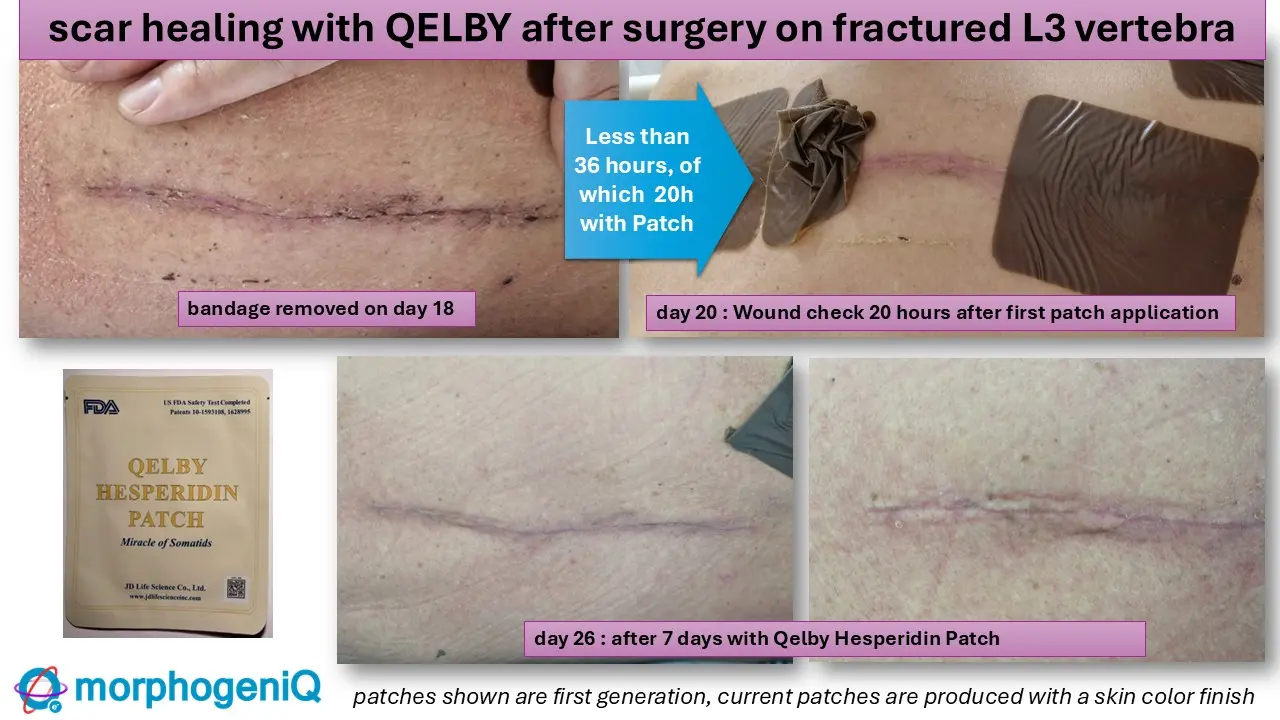
Patches can be directly applied to all areas that are painful, swollen or irritated. The patches work very well to quickly heal wounds and scars.
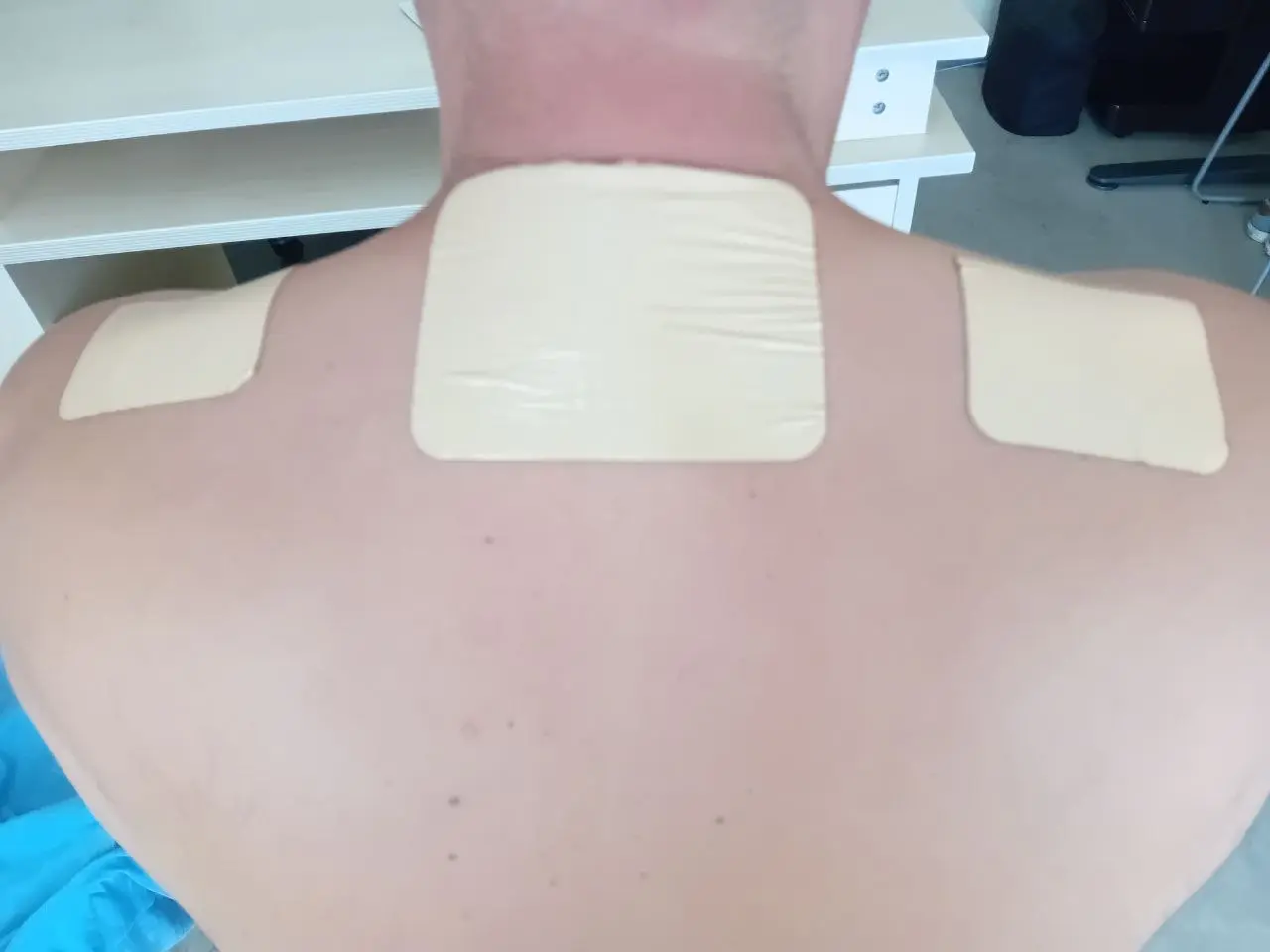
In a more systemic approach, for non-localized conditions or as an extra for local issues, the most effective application sites for the QELBY Patch are as follows
- Both
shoulders and the back of the neck
To improve blood flow in the cerebral arteries, relax muscles, and relieve pain - One
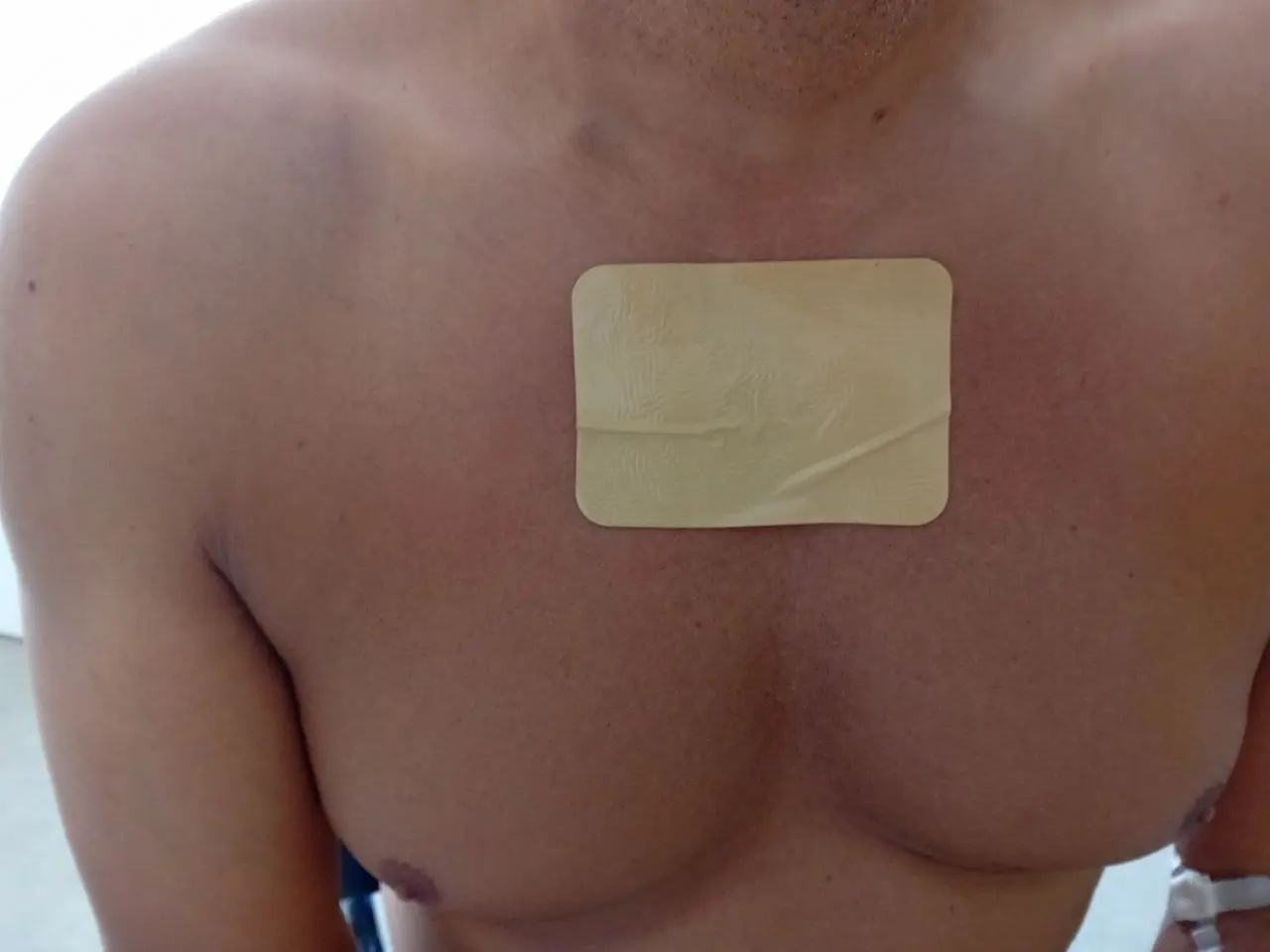
patch each over the thymus region and the spinal area on the back
To improve blood circulation, lymphatic function, and nervous system function - Both
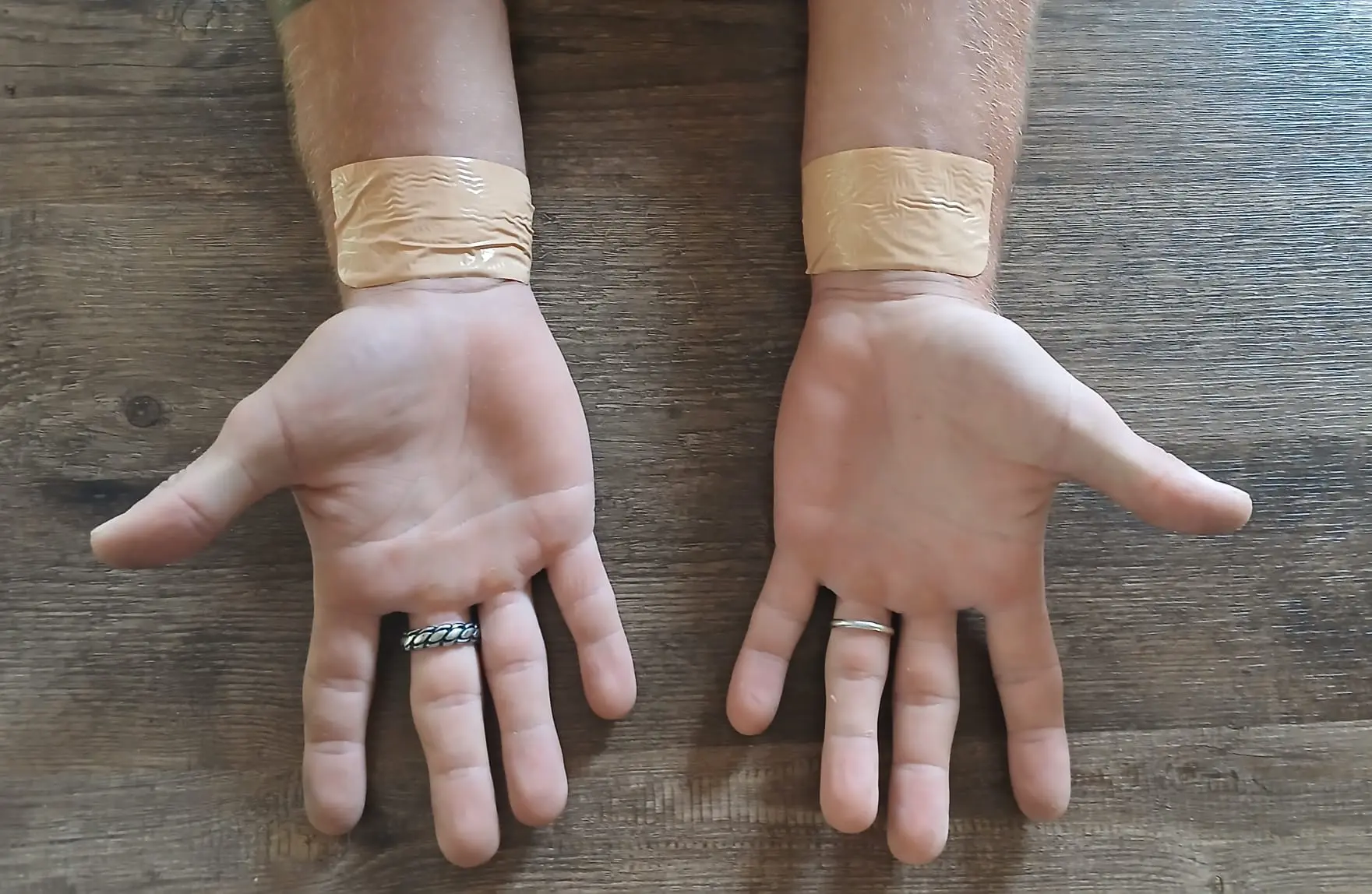
wrists (can be 1/2 or ¼ patch, cut to size with scissors)
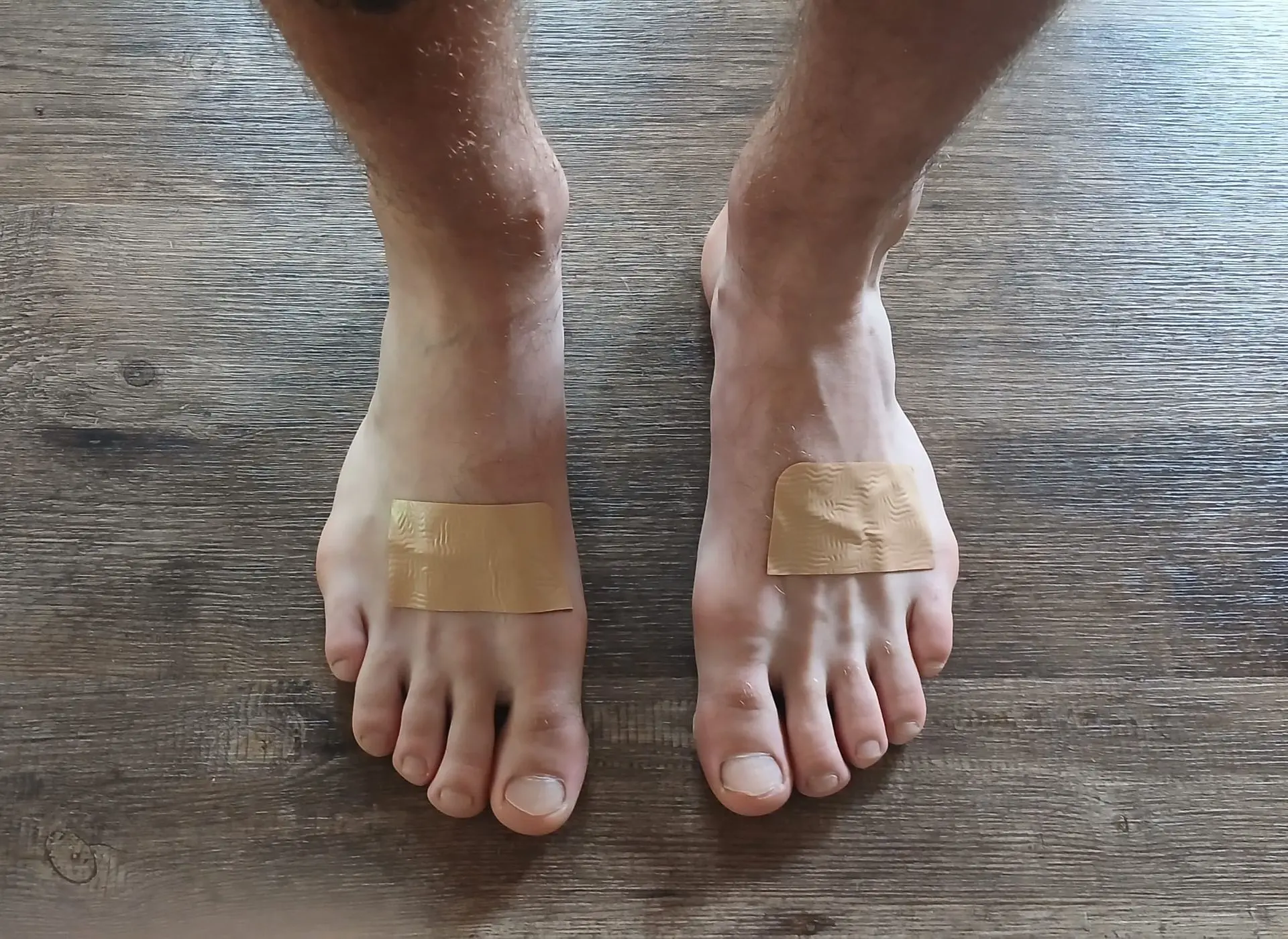
To regenerate the capillaries of the palms and improve circulation - The tops of both feet (can
be 1/2 or ¼ patch, cut to size with scissors)
To regenerate the capillaries of the soles and improve overall systemic circulation
How to clean the patch?
The information provided on this website has not been evaluated by the Food and Drug Administration (FDA), the Medicines and Healthcare products Regulatory Agency (MHRA) or the European Medicines Agency (EMA). The content is not intended to diagnose, treat, cure, or prevent any disease. It is at the discretion of the purchaser to assess the suitability and effectiveness of any products or advice provided.